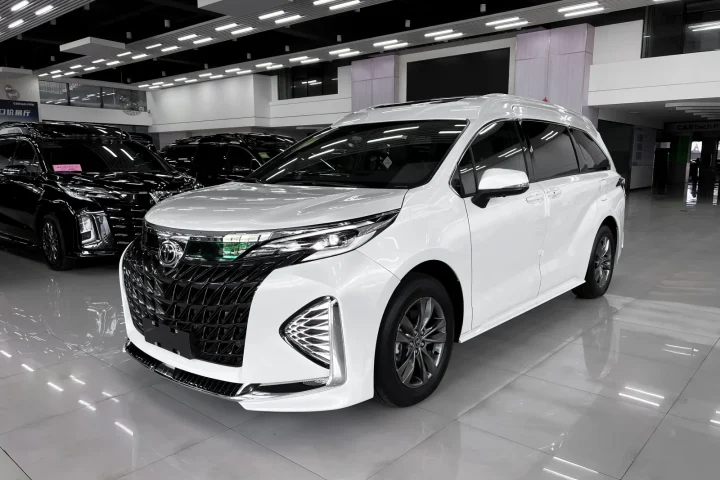
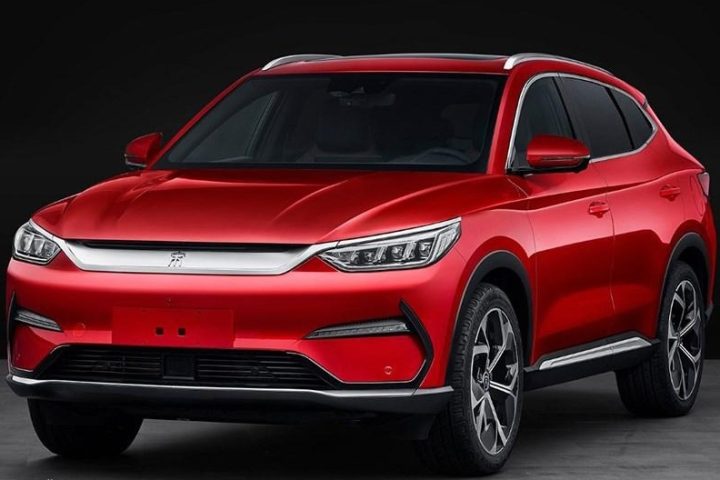
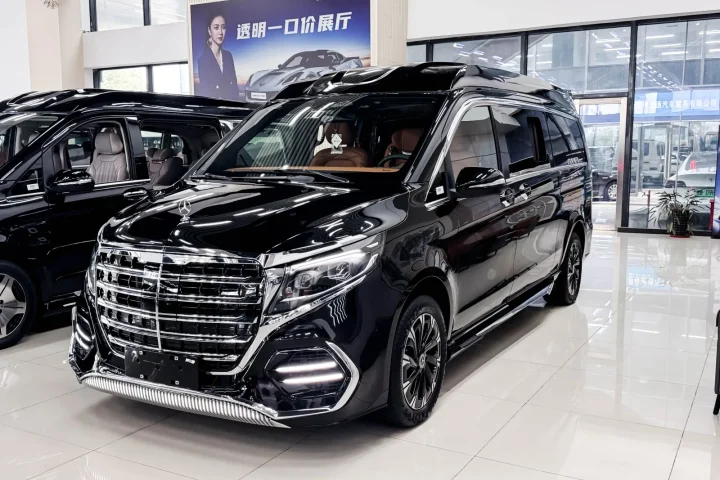
Chinese or European Car: Which Is More Profitable in 2026
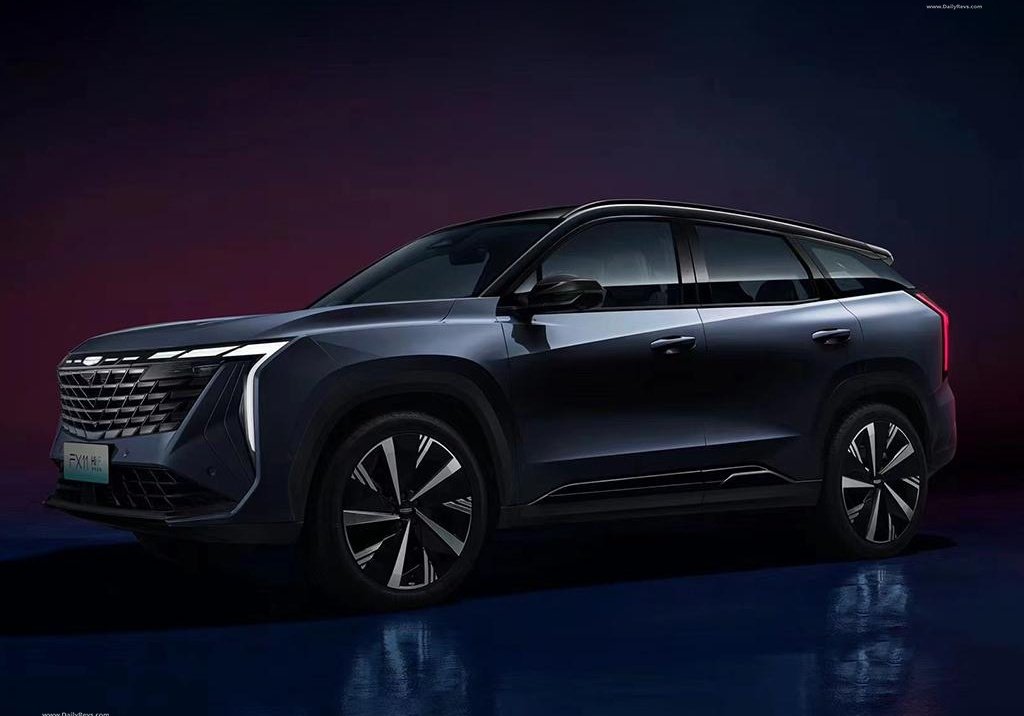
Arguing about what is better is pointless without criteria. We compare on the parameters that really affect ownership.
Price for a comparable class
With the same size and equipment, a Chinese car costs 20–35% less than a German equivalent. The savings do not come from a stripped-down trim — on the contrary, the equipment is usually richer.
Equipment
| Option | Chinese car of the same class | European |
|---|---|---|
| Panoramic roof | Often in base trim | Optional extra |
| 360° Cameras | Often in base trim | Option |
| Massage / ventilation | In mid-range trims | In top trims |
| Driving assistants | Developed, sometimes more aggressive | Conservative |
Spare parts and servicing
The weak spot of Chinese brands 5 years ago is noticeably better today. For mass-market brands (Chery, Geely, Haval, Changan, BYD) consumables are in stock in Russia. For rare brands the waiting times are longer.
Resale liquidity
European premium models lose value more slowly in absolute rubles, but also cost more up front. Mass-market Chinese crossovers sell quickly, though with a bigger percentage loss.
What matters for safety
Modern Chinese models pass independent crash tests and on average show decent results, especially in the SUV class. There are exceptions — check the rating of a specific model, not of the brand as a whole.
Conclusion
- Hybrid/EV for the family — the Chinese option is more cost-effective overall.
- Premium segment — Mercedes, BMW are still stronger in residual value.
- Work vehicle — a Chinese pickup or SUV is cheaper to service.
Want a quote for your budget?
We will find 3 options with real photos and calculate the full cost to your city.